
Ayurveda Winter Breakfast: A Warming Porridge Recipe for Gut Health and Morning Energy🥣😊
There is something quietly profound about the first truly cold morning of the year in Perth.
The light arrives later. The air has a different weight to it. The body, without being asked, wants something different for breakfast than it did three months ago.
This is not habit or comfort seeking. It is biology. And two ancient wisdom traditions — one from the Indian subcontinent, one from the Whadjuk Noongar country we live on right here in south-west Western Australia — have understood it for thousands of years.

Two Ancient Wisdoms, One Truth
We are sitting right now in Makuru, the Noongar season of winter on Whadjuk Boodja (Country). The Noongar people of south-west Western Australia have lived in deep relationship with this land for over 45,000 years, observing not four seasons as the European calendar prescribes, but six — each named for what the natural world is doing, what food is available, what the body needs.
Makuru is the coldest, wettest and windiest season of the year. Winds turn to the west and south bringing rain, and Noongar people traditionally moved back inland from the coast as waterways and catchments filled, shifting their diet from sea foods to grazing animals of the land. It is a season that asks for warmth, shelter, nourishment, and inward movement.
Ayurveda, arriving from a completely different part of the world, says almost exactly the same thing.
In the Ayurvedic seasonal framework, winter corresponds to the dominance of Kapha dosha — the energy of earth and water, heaviness and moisture, stability and rest. Kapha in balance brings groundedness, resilience, and deep vitality. When Kapha becomes excessive, as it naturally tends to in cold, wet weather, it can manifest as sluggish digestion, heaviness after eating, congestion, low energy in the mornings, and a tendency to oversleep and underperform. (Learn more about the Ayurveda Doshas here).
The remedy in both traditions is strikingly aligned: eat warm. Eat nourishing. Eat with spices that kindle the digestive fire and move the heaviness along. Start the day with something that tells the body it is supported.
This porridge is that something.
Why Breakfast Matters More Than You Think in Winter
One of the most common patterns I see in Perth clients during winter is a breakfast that sets the wrong tone for the entire day. Cold cereals, smoothies, raw fruit, iced water — all fine in the heat of summer, genuinely counterproductive when Kapha is dominant and agni (digestive fire) is running low.
Cold food and drink in the morning during winter directly suppresses digestive fire at the very moment it is trying to wake up. The result is sluggish digestion for the rest of the day, a tendency toward bloating and heaviness, and the kind of mid-morning fatigue that sends people to coffee as a first resort rather than a last one.
Ayurveda has a clear position on this: breakfast in winter should be warm, lightly spiced, and easy to digest. Not heavy. Not elaborate. Just warm, considered, and grounding.
This quinoa or millet porridge does all of that in under ten minutes.
Why These Ingredients Earn Their Place
Quinoa or millet are the foundation here, and the choice matters. Both are warming, easy to digest, and substantially more nourishing than standard rolled oats — which, while comforting, can increase Kapha heaviness when eaten frequently. Quinoa provides complete protein that sustains energy without the blood sugar spike and crash of carbohydrate-heavy breakfasts. Millet is particularly warming and drying in its energetic quality, making it an excellent Kapha-season choice for those who tend toward congestion, heaviness, or sluggishness in winter.
Cinnamon is one of Ayurveda's most important winter spices, and one that has received considerable modern research attention. It warms the digestive tract, supports healthy blood sugar regulation, and has a gentle stimulating effect on digestion. It also happens to be delicious. There is a reason it features so prominently in warming foods across almost every ancient food culture — it works. If you'd like to read more specifically about cinnamon's Ayurvedic properties, there's a dedicated piece here.
Ginger stimulates digestive enzymes, reduces nausea and bloating, warms the gut, and helps move the sluggishness that Kapha season brings. In the morning particularly, a small amount of ginger activates the digestive system gently but effectively, preparing it for the day ahead.
Cardamom is perhaps the most underappreciated spice in this recipe. In Ayurveda it is considered one of the finest digestive and respiratory herbs available. It clears mucous congestion — highly relevant in the wet, cold months of Makuru — lifts mood, supports kidney function, and adds a warmth and sweetness to the porridge that balances the sharpness of ginger beautifully.
Almonds, walnuts, or pistachios provide healthy fats and protein that extend satiety well into the morning. In Ayurveda, nuts are considered deeply nourishing for the nervous system and are specifically recommended in winter when the body benefits from richer, more sustaining foods. Soaking them overnight improves digestibility considerably — a small step worth building into the habit if you can.
Raisins or dates provide natural sweetness that pacifies the slight bitter and astringent quality of the grain base. In Ayurveda, sweet taste is specifically grounding and nourishing — appropriate in small amounts in winter, not as a sugar hit but as a genuine constitutional support.
Honey deserves a specific note. Ayurveda considers raw honey one of its most valued foods — warming, anti-Kapha, and deeply nourishing — but with one important condition: it should never be heated. Adding honey to a hot dish is, in the Ayurvedic understanding, one of the few genuine dietary contraindications. Add it after the porridge has cooled slightly, or use maple syrup as an alternative if serving straight from the heat.
The Recipe
Serves 2 | Preparation: 5 minutes | Cooking: 10 minutes
Ingredients
1 cup cooked quinoa or millet (cook ahead the night before if mornings are rushed)
1/2 cup warm almond milk or milk of your choice
1/2 teaspoon cinnamon powder
1/4 teaspoon ginger powder (or a small piece of fresh ginger, grated)
1/4 teaspoon cardamom powder
1 tablespoon chopped nuts (almonds, walnuts, or pistachios — rinsed and soaked overnight if possible)
1 tablespoon raisins or chopped dates
1 teaspoon raw honey or maple syrup, added after cooking
Method
Warm the milk gently. In a small saucepan, heat the almond milk or milk over medium-low heat until just warm. Do not boil. The goal is a gentle warmth that keeps the spices and grain alive rather than cooking them further.
Add the grain and spices. Add the cooked quinoa or millet to the warm milk and stir to combine. Add cinnamon, ginger, and cardamom, mixing well so the spices are distributed evenly throughout. Continue to warm for 2 to 3 minutes, stirring gently.
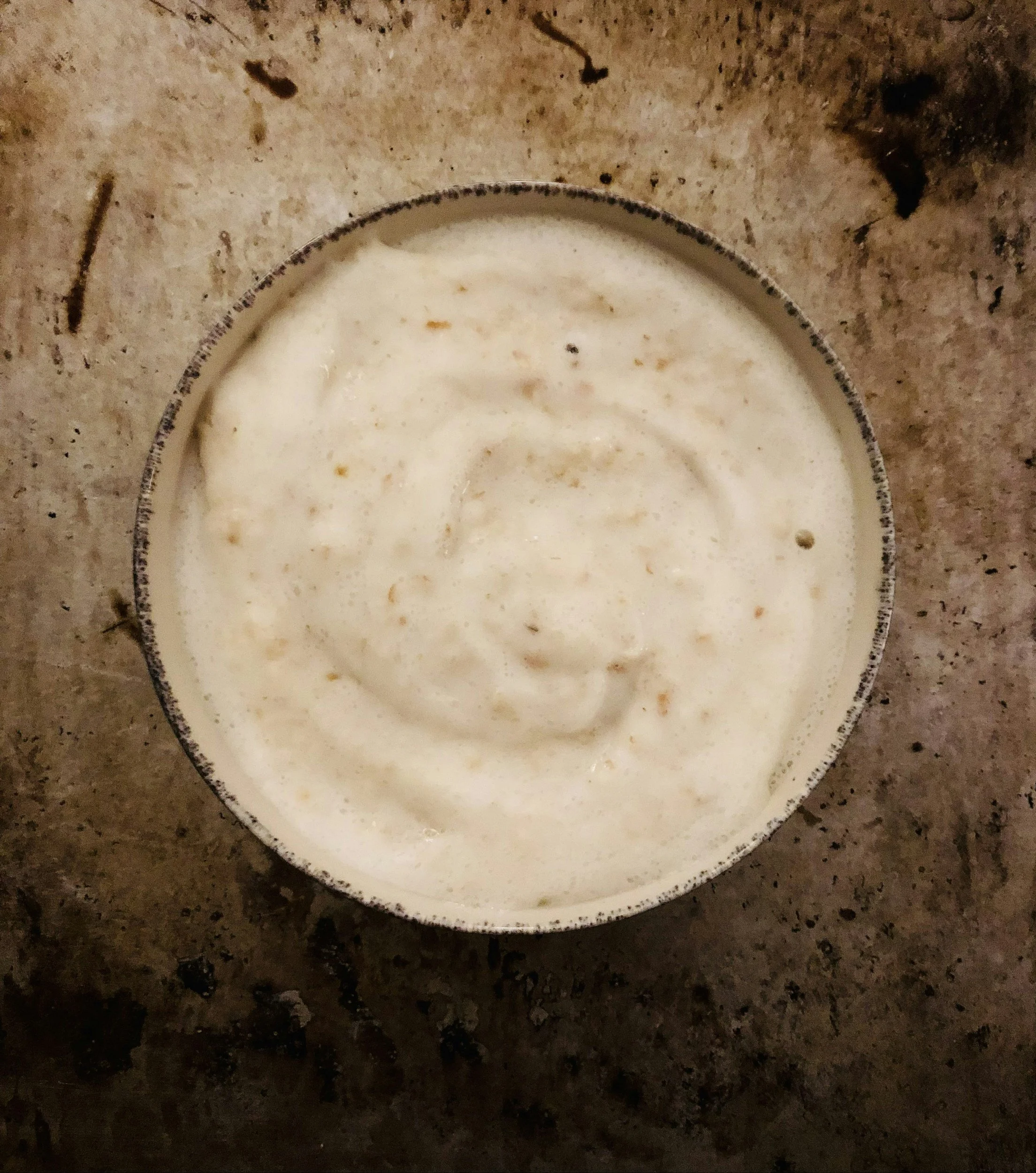
Serve with intention. Transfer to a warmed bowl. Top with chopped nuts, raisins or dates, and drizzle with honey or maple syrup after the bowl has left the heat. Sit down. Hold the bowl for a moment before eating. Let the warmth come into your hands.
That last part matters more than it sounds.
The Morning Ritual That Changes Everything
A recipe is a starting point. What surrounds it is the practice.
Ayurveda places considerable importance on the quality of the morning — specifically, the transition from sleep to wakefulness as one of the most influential periods in shaping the body's physiology for the entire day. The nervous system, the digestive system, and the hormonal system all take their cue from how the morning begins.
Before this porridge, or before any breakfast, a small practice makes a meaningful difference. Feet on the ground. A glass of warm water. One hand on the heart, one on the abdomen. Five slow, deliberate breaths. This is not a spiritual performance. It is a genuine parasympathetic activation — a signal to the nervous system that the day begins from a place of calm rather than urgency, and that the digestive system can prepare itself properly for the nourishment that is coming.
On cold Makuru mornings in Perth particularly, when the temptation is to rush from warm bed to screen to car, this pause is quietly revolutionary. The Noongar understanding of Makuru as a season of inward movement and nourishment supports exactly this kind of morning intentionality — moving with the season rather than against it.
If you find your mornings are consistently rushed, distracted, or ending in a quality of energy that doesn't serve you through the day, it is worth reading about how the timing and context of eating shapes digestion more broadly here.
A Note on Seasonal Eating as a Practice
Both Ayurveda and the Noongar seasonal framework share a foundational premise: that the human body is not separate from the natural world, but part of it. That the seasons are not simply weather events but biological instructions, asking different things of us at different times of year.
In Perth, we are fortunate to live on country where this seasonal intelligence is ancient, documented, and still alive in Noongar culture. The observation that Makuru calls for moving inland, eating warmer foods from the land, and preparing the body for the cold, maps onto Ayurvedic winter guidance with a resonance that is worth pausing to appreciate.
Eating a warm, spiced porridge on a cold July morning in Perth is not just a pleasant breakfast choice. It is, in a very real sense, living in alignment with where you are.
"After implementing the routines suggested, I've been feeling so much better. I thought I was doing the right things, but it turned out they weren't right for me."
- Client spotlight from my Google Reviews
That shift — from generically healthy to specifically right for you, in your body, in your season, in your climate — is what Ayurveda practised on country like this can offer.
Make It Your Own
A few simple variations extend the life of this recipe across the week:
For a Vata-dominant constitution or during the transition months of late autumn into winter, increase the ghee (a small teaspoon stirred in at the end works beautifully) and add a pinch of nutmeg alongside the cardamom for extra warming and grounding.
For a Pitta-dominant constitution, reduce the ginger, replace almond milk with full-fat coconut milk, and use cooling cardamom as the primary spice. The porridge base remains warming without adding heat.
For a Kapha-dominant constitution or for those dealing with congestion, heaviness, or low morning energy, increase the ginger and cinnamon, reduce the dates or raisins, and add a very small pinch of black pepper. Kapha benefits from being gently stimulated and mobilised at breakfast rather than further grounded.
If you are unsure which of these sounds most like you, that question itself — what is my constitution, and what does it need right now? — is one of the most valuable things an Ayurvedic consultation can help you answer.
Want to Go Deeper?
Seasonal eating is one thread in a much richer practice. Understanding your individual constitution, how your gut health changes across the seasons, and the role of meal timing, daily rhythm, and morning routine in shaping your overall energy and wellbeing — this is the territory I work through with clients in my Perth practice.
If you are based in Perth or anywhere in Australia and are curious about what an Ayurvedic consultation could offer, you can find out more on my appointments page. For those interested in understanding their gut health in more depth through functional testing, the lab testing options I offer may also be worth exploring.
For now though, start with the porridge. Start with the warm bowl in your hands on a cold morning. Sometimes the simplest things are the most transformative — and this, in the spirit of both Ayurveda and the country we live on, is a good place to begin.
With gratitude
Priya