
Rock Salt vs Sea Salt - What Ayurveda Knows About Salt That Modern Nutrition Is Only Just Catching Up On🧂
Salt has a reputation problem.
For decades it was cast as a dietary villain - the thing responsible for high blood pressure, bloating, and cardiovascular disease. We were told to minimise it, fear it, replace it. Low-sodium became synonymous with healthy. The humble salt shaker quietly disappeared from restaurant tables.
And yet here is something worth sitting with: salt is not optional. It is not a flavour preference or a cultural habit. It is a biological necessity so fundamental that your body goes to extraordinary lengths to maintain its concentration in the blood within an extremely narrow range. Deviate too far in either direction and the consequences are serious.
The question was never really whether to use salt. It was always which salt, how much, and in what context. And on this question, Ayurveda has been offering remarkably nuanced guidance for thousands of years - guidance that modern nutritional science is only now beginning to validate.
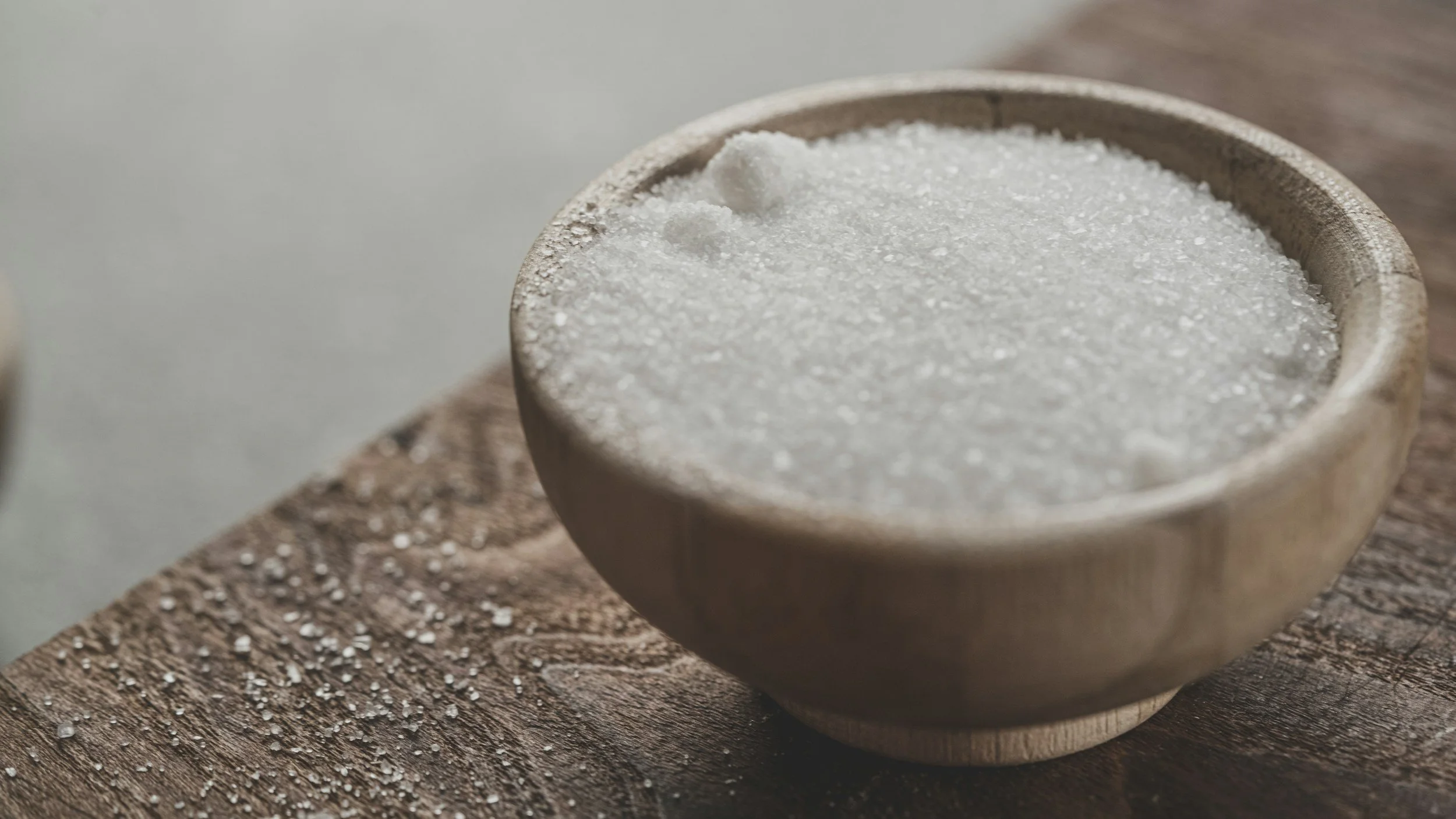
A Brief History of Salt That Will Change How You Think About It
Before refrigeration, before global supply chains, before the supermarket, salt was one of the most strategically important substances on earth. Not as seasoning. As preservation.
Salt drew moisture out of meat and fish, creating an inhospitable environment for the bacteria that cause decay. It made food last weeks or months rather than hours. Entire civilisations were built around access to salt deposits. Roman soldiers were partially paid in salt - the origin of the word salary. Trade routes were established for it. Wars were fought over it.
The ancient Indian subcontinent, where Ayurveda was developed, had rich traditions of salt harvesting from both mineral deposits and coastal sources. Ayurvedic texts from as early as 600 BCE describe multiple types of salt with distinct medicinal properties - not as culinary flourish, but as precise therapeutic tools. The rishi physicians who codified these texts were observing something real: that different salts behave differently in the body, affect different organs, and have different relationships with each of the three doshas.
There is a thread worth following in this history. Salt in its natural form, drawn from the earth or the sea, carries minerals. Salt processed and refined loses them. And what Ayurveda recognised intuitively thousands of years ago - that the source and quality of salt matters enormously - is now being examined through the lens of modern mineral science, gut microbiome research, and electrolyte physiology.
What Ayurveda Says About Salt
Ayurveda classifies salt as having a primarily salty taste (lavana rasa) with heating and heavy qualities. It is considered one of the six tastes essential to a balanced diet, and uniquely among the tastes, salt has the capacity to enhance and amplify all the others - which is why food tastes flat without it and comes alive with even a small amount.
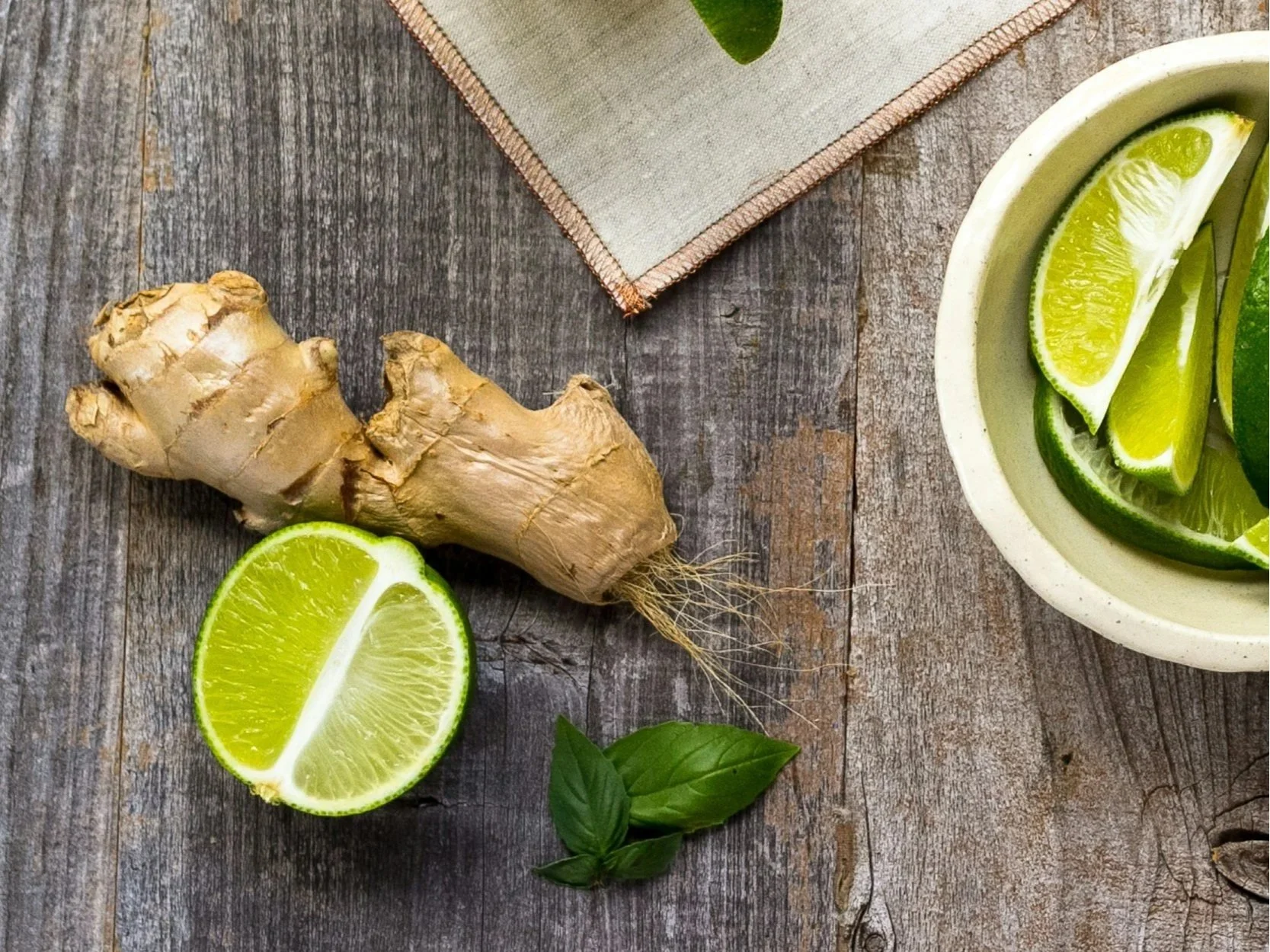
From a digestive perspective, salt in appropriate quantities is considered a direct stimulant of agni - the digestive fire. It promotes salivation, stimulates the production of digestive enzymes and hydrochloric acid, and supports the efficient breakdown of food. This is why a pinch of rock salt with fresh ginger and a few drops of lime juice, taken before a meal, is one of Ayurveda's classic digestive preparations. It primes the entire digestive system before food arrives.
Ayurveda also recognises that salt used excessively aggravates Pitta and Kapha, promotes water retention, and can over time contribute to the inflammatory patterns that show up as skin conditions, joint inflammation, and blood pressure dysregulation. This is nuanced guidance - not "salt is bad" but "too much of the wrong kind, used without intelligence, creates imbalance." That is a meaningfully different message.
The Ayurvedic texts identify several distinct salt types, each with different qualities and applications. The two most relevant to a modern kitchen in Perth are Himalayan rock salt and sea salt - and the differences between them are more significant than most people realise.

The Salt Types Worth Knowing - and Where to Find Them in Perth
Not all salts are equal, and the differences are more meaningful than most people realise. Here is a practical guide to the types you are most likely to encounter.
Himalayan Pink Rock Salt (Sendha Namak) — Best all-round choice
Himalayan pink salt is technically not mined from the Himalayas - it comes primarily from the Khewra Salt Mine in the Punjab region of modern day Pakistan, which was formed approximately 600 million years ago when an ancient inland sea evaporated and left its mineral content crystallised underground. It has remained there, undisturbed by industrial pollution, for the entirety of human history.
In Ayurveda, this form of rock salt is known as Sendha Namak and is considered the purest, most sattvic form of salt available. It is the only salt used in certain Ayurvedic fasts and preparations, prescribed specifically because its mineral profile is gentle, its sodium content is slightly lower than table salt by volume, and its energy is considered cooling and grounding rather than heating. This makes it uniquely suited to tridoshic use - appropriate for all three constitutional types.
The pink colour comes from trace iron oxide content. Beyond iron, Himalayan salt contains detectable quantities of magnesium, potassium, calcium, zinc, and approximately 80 other trace minerals in very small amounts. The research on whether these trace minerals are present in therapeutically significant quantities is genuinely mixed - the amounts per serving are small. But the consistent clinical observation, both in Ayurvedic practice and in the experience of people who switch to rock salt, is that it behaves differently in the body than refined table salt. That difference is worth paying attention to even if the precise mechanism is still being studied.
What is not contested: Himalayan salt is not processed. It does not contain anti-caking agents, bleaching agents, or added iodine. You are getting salt in essentially the form the earth made it.
Where to find it in Perth: Widely available at Woolworths, Coles, IGA, and most health food stores including Kakulas Brothers and The Source Bulk Foods. The bulk food stores are typically significantly cheaper per gram than pre-packaged versions.
Celtic Sea Salt (Sel Gris) — Best for mineral density
Celtic sea salt, harvested from the Atlantic coast of France using traditional clay-lined methods, is considered among the highest quality sea salts available. It retains natural moisture, has a distinctive grey colour from the mineral-rich clay, and contains a broad spectrum of trace minerals including iodine, magnesium, and calcium in more significant quantities than most other salts.
The gut microbiome relevance here is interesting and relatively new. Research into the relationship between dietary minerals and the gut microbiome is showing that the trace minerals in unrefined sea salts - particularly magnesium - influence the diversity and health of microbial communities in the gut. Magnesium plays a role in over 300 enzymatic reactions in the body and is particularly relevant to gut motility and the regularity of bowel function.
From an Ayurvedic perspective, sea salt is considered slightly more heating than rock salt, making it well suited to Vata and Kapha types, and worth using more moderately if you have a strong Pitta constitution or tend toward inflammatory conditions.
Where to find it in Perth: Health food stores, some Woolworths and Coles locations, and online. Look for brands like Salt of the Earth or Lotus Celtic Sea Salt. The coarse version is excellent for cooking; the fine version works well at the table.
Murray River Salt Flakes — The local Australian option
Murray River salt flakes are harvested from ancient underground saline aquifers in the Murray-Darling Basin - a uniquely Australian product that is genuinely worth celebrating. The distinctive pale apricot-pink colour comes from naturally occurring beta-carotene from the algae in the brine. The flakes are light, delicate, and dissolve beautifully.
From an Ayurvedic perspective, Murray River salt sits in similar territory to sea salt - unrefined, mineral-containing, and a meaningfully better choice than refined table salt. It is also one of the more sustainable salt options available in Australia, as harvesting it helps manage salinity levels in the Murray-Darling basin.
Where to find it in Perth: Widely available at most supermarkets, specialty food stores, and farmers markets. A distinctly local option that supports Australian producers.
Fleur de Sel — The premium finishing salt
Fleur de sel is the delicate crust that forms on the surface of salt pans in certain coastal conditions - harvested by hand, only on specific days, making it relatively rare and expensive. It is not a cooking salt. It is a finishing salt - used in small pinches on food immediately before serving to add a burst of clean, mineral flavour and a pleasant texture.
From a practical Ayurvedic standpoint, fleur de sel is nutritionally similar to other unrefined sea salts. Its value is more sensory and culinary than therapeutic. A small jar lasts a long time if used as intended - as a final touch rather than a cooking ingredient.
Where to find it in Perth: Specialty food stores and some IGA locations.
Black Salt (Kala Namak) — The Ayurvedic therapeutic salt
Black salt is one of Ayurveda's most specific therapeutic salts - a volcanic rock salt that undergoes a traditional processing method involving heating with charcoal, herbs, seeds, and bark. Despite its name, it ranges in colour from pinkish-grey to dark purple and has a distinctive sulphurous smell that softens considerably when cooked.
Kala Namak is particularly valued in Ayurveda for its digestive properties - it is carminative, reduces gas and bloating, and is specific for Vata digestive patterns. It also has a naturally lower sodium content than table salt and contains iron sulphide, which gives it both its colour and its characteristic flavour. It is the salt most commonly used in Ayurvedic digestive preparations and is the primary salt in Indian chaats and digestive chutneys.
For Pitta types, kala namak should be used in moderation as its heating quality can aggravate inflammatory patterns.
Where to find it in Perth: Specialty spice & health food stores. When sourcing look for additive free salt, specific physical traits and buying from trusted suppliers. True black salt should have a distinct, pungent, sulphur (egg-like) aroma and a greyish-pink to deep violet color when ground. You don’t need a lot of this, a small jar goes a long way.
Refined Table Salt: The One Worth Reconsidering
Standard table salt is sodium chloride in its most processed form. The refining process removes the trace minerals. Anti-caking agents are added to prevent clumping. In many countries iodine is added back in - a public health measure to prevent iodine deficiency that became necessary precisely because the widespread shift to processed, mineral-stripped food had removed iodine from the diet in other forms.
What we have, then, is a food that was stripped of its natural complexity and then partially supplemented to address the deficiencies that stripping created. Ayurveda would find this approach philosophically incoherent - and the evidence increasingly suggests it is practically suboptimal too. Isolated sodium chloride without the buffering effect of companion minerals behaves differently in the body than sodium delivered within a mineral-rich matrix.
This does not mean table salt is toxic. It means it is the least interesting version of something that can be genuinely useful, and the easiest swap to make.
The Gut Health Connection
Here is where this becomes clinically relevant for the Perth clients I see most regularly.
Salt - specifically adequate sodium - is essential for the production of hydrochloric acid in the stomach. HCl is not merely an aid to digestion. It is the first line of defence against pathogenic bacteria that enter the body via food. It is required for the activation of pepsin, the enzyme that breaks down protein. It is necessary for the absorption of several key minerals including iron and calcium. And low stomach acid hypochlorhydria is far more common than most people realise, particularly in those over 40, and is a significant contributor to the bloating, food sensitivities, and nutritional deficiencies that are increasingly common presentations in my practice.
The Ayurvedic practice of taking a small pinch of rock salt with ginger and lime before meals is not just tradition. It is a direct, practical intervention for stimulating HCl production and priming agni before food arrives. Modern functional medicine practitioners recommend very similar approaches - dilute apple cider vinegar before meals, for instance - for the same physiological reason. The mechanism is the same. The Ayurvedic version has been in use for several thousand years longer.
Mineral adequacy - which unrefined salts contribute to in small but cumulative ways - also directly influences gut microbiome diversity. Magnesium supports gut motility and the prevention of constipation. Zinc is essential for gut lining integrity and immune function. These are not large supplemental doses found in unrefined salt, but they are part of a broader dietary pattern that either supports or undermines the gut environment over time.
The Hidden Salt Problem: It's Not the Salt Shaker
Here is where a genuinely important conversation needs to happen. Because when we talk about salt and health, most people picture the salt shaker on the table. That is largely the wrong place to look.
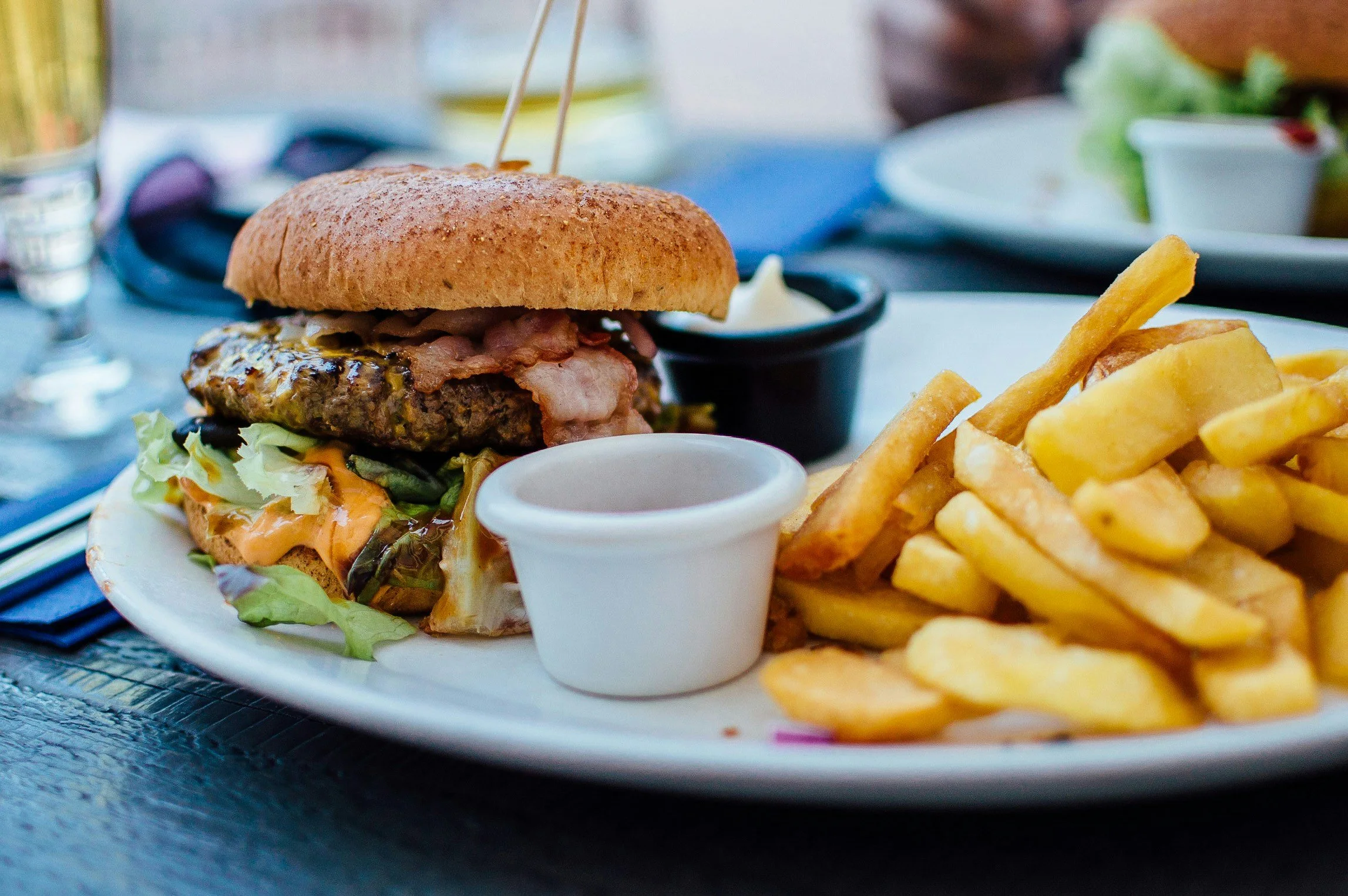
The majority of the excess sodium in Australian diets does not come from salt added at the table or during home cooking. It comes from processed and packaged food. Bread. Deli meats. Canned goods. Sauces, dressings, marinades. Cereals. Crackers. Frozen meals. Restaurant food. The sodium in these products is often invisible - not tasted as saltiness, because it is dispersed through so many other flavours - but it accumulates in the gut throughout the day in quantities that most people would find genuinely surprising if they added them up.
A typical slice of commercial bread contains around 150 to 200mg of sodium. Two rashers of bacon can carry 700mg. A tablespoon of soy sauce delivers over 900mg. The World Health Organization recommends less than 2000mg of sodium per day. A diet built primarily on convenience and processed food can easily deliver twice that without a single deliberate pinch of salt being added to anything.
This matters enormously from both an Ayurvedic and a modern gut health perspective.
What high dietary salt does to the gut
Research published in the last decade has begun to map the specific mechanisms through which chronically elevated dietary sodium affects the gut environment, and the findings are worth knowing about.
High salt intake has been shown to suppress the production of short-chain fatty acids (SCFAs) - the metabolic byproducts of beneficial gut bacteria fermenting dietary fibre. SCFAs, particularly butyrate, are critical to gut lining integrity, immune regulation, and the maintenance of the gut's protective mucous layer. When SCFA production is reduced, the gut becomes more vulnerable to inflammation and increased permeability - sometimes called leaky gut - which allows partially digested food particles, bacterial fragments, and inflammatory compounds to cross the gut wall into systemic circulation. This is a known driver of the food sensitivity patterns and systemic inflammation that are increasingly prevalent and that I see regularly in practice.
High salt diets have also been shown to reduce populations of Lactobacillus species - some of the beneficial bacteria most important to immune regulation, vaginal health, and the prevention of inflammatory conditions. This is a direct microbiome impact that has nothing to do with which type of salt you cook with at home, and everything to do with the cumulative salt loading of a diet built on convenience rather than whole food.
The Ayurvedic lens on this
Ayurveda has its own language for what happens when the gut becomes chronically burdened - it is called ama, the residue of incomplete digestion, which accumulates when the digestive fire is overwhelmed and the gut cannot process inputs cleanly. Excess salt in Ayurveda is understood to disturb the gut's fluid balance, increase heaviness, promote water retention, and over time compromise the integrity of the tissues the gut nourishes.
The precision of this traditional observation becomes striking when you understand the SCFA and gut permeability mechanisms described above. Ancient observation and modern research are describing the same phenomenon from different vantage points.
The real salt conversation is a food quality conversation
This is, ultimately, less about which salt to use at home and more about the cumulative salt load of the overall dietary pattern. A person eating primarily whole, minimally processed foods - vegetables, legumes, grains, meat and fish prepared at home - will naturally have a salt intake within a sensible range even if they season generously with quality unrefined salt.
A person eating primarily packaged, processed, and restaurant food will be carrying a daily sodium load that no amount of switching to Himalayan salt can meaningfully offset.
Slowing down, cooking from whole ingredients, and eating mindfully - without screens, in a settled state, at a proper table - is not only good for the nervous system and digestive enzyme activity, as explored elsewhere on this blog. It is the most effective way to naturally regulate salt intake, because you become the one in control of what goes into your food.
Salt cravings, interestingly, tend to reduce as whole food eating is established. The palate recalibrates. The body's salt sensitivity increases - processed food begins to taste overwhelmingly salty where it once tasted normal. This recalibration is itself a sign of a gut and nervous system that is regaining its natural intelligence.
Since Ayurveda's genius lies in its individualisation, it is worth being specific about how different salt types relate to different constitutional patterns.
For Vata types — those who tend toward dryness, irregular digestion, constipation, and cold - salt is one of the more balancing tastes. Its heating and lubricating qualities directly counteract Vata's cold and dry tendencies. Rock salt with warm water or in warming cooked foods is particularly well suited. The pre-meal ginger and rock salt preparation is especially relevant for Vata digestive patterns, where agni is often weak and irregular.
For Pitta types — those who tend toward heat, inflammation, acidity, and sharp digestion - salt should be used with more awareness. It is not eliminated, but excessive salt directly fans the Pitta fire and can contribute to the heartburn, skin inflammation, and reactivity that Pitta types are prone to. Rock salt in moderate quantities is preferable to the more heating black salt preparations. Cooling, mineral-rich Celtic sea salt used on lightly cooked vegetables is a reasonable approach.
For Kapha types — those who tend toward heaviness, sluggishness, mucous congestion, and slow digestion - salt used in appropriate quantities is genuinely stimulating and useful. The challenge for Kapha is the water retention that excess salt promotes, which compounds the already heavy, congested quality of elevated Kapha. Moderate use of rock salt with stimulating spices - black pepper, ginger, mustard seeds - supports agni without adding to the heaviness.
Four Practical Shifts Worth Making Today
1. The pre-meal digestive primer. Slice a thin piece of fresh ginger. Add a small pinch of rock salt and a few drops of fresh lime juice. Chew it slowly for several minutes before your main meal. This is one of Ayurveda's most clinically validated digestive preparations and takes less than a minute. If you try one thing from this article, make it this one.
2. Replace processed table salt with Himalayan rock salt or Celtic sea salt in your kitchen. This is not a dramatic intervention. It does not require willpower or sacrifice. It simply means buying a different jar next time. Both are available at Woolworths, Coles, and most Perth health food stores for a modest price difference. The mineral quality is meaningfully better, the flavour is noticeably cleaner, and the absence of anti-caking agents and processing is cumulative over a lifetime of daily use.
3. Add a pinch to warm water in the morning. A glass of warm water with a small pinch of rock salt and a squeeze of lemon first thing in the morning is one of the most accessible Ayurvedic morning practices available. It gently rehydrates after the overnight fast, provides a mild electrolyte input that supports cellular hydration more effectively than plain water, and gently stimulates the digestive system before breakfast. It costs almost nothing and takes thirty seconds.
4. Read one label this week. Pick up one item you eat regularly - bread, a sauce, a deli product, a cereal - and check the sodium content per serve. Then consider how many serves of similar products you consume in a typical day. This exercise is not about generating anxiety. It is about beginning to see the invisible salt load that most people are carrying unknowingly. Once you see it, you cannot unsee it - and that awareness is usually the beginning of reaching for whole food alternatives more naturally, without it feeling like deprivation.
A Note on Amount & How to Apply This Guidance
Ayurveda has never advocated for high-salt diets. The consistent guidance across the texts is that salt in small, intelligent amounts is medicine; in excess it becomes burden. The shift from refined table salt to mineral-rich alternatives is not a licence to use more. It is a shift in quality, not quantity.
The body's wisdom about salt - the mechanisms that regulate sodium balance with extraordinary precision - is ancient and reliable. What it needs from us is not more salt, but better salt, used with awareness.
"After implementing the routines she (Priya) suggested, I've been feeling so much better. I thought I was doing the right things, but it turned out they weren't right for me."
- Client spotlight from My Google Reviews
Sometimes the shifts that matter most are not the dramatic ones. They are the small, daily choices - like which salt sits on your kitchen bench — that accumulate quietly into something significant.
I would like to note that information shared here is intended for general educational purposes, reflecting Ayurvedic nutritional principles alongside current nutritional science. It is not personalised dietary advice and does not account for your individual health history, medications, or specific conditions. Those managing kidney disease, cardiovascular conditions, or any health concern where sodium or mineral intake is clinically monitored should seek guidance from their treating healthcare provider before making changes. If you are unsure how these principles apply to your particular circumstances, that is precisely the kind of question an initial Ayurvedic consultation is well placed to explore. Ayurveda's strength lies in its individualisation - general principles are always the starting point, not the destination.
Reading Further
If this article has prompted curiosity about how Ayurvedic nutritional principles apply to your specific constitution and digestive pattern, you might enjoy exploring the companion pieces in this series. Cinnamon's role as a warming digestive and blood sugar-balancing spice is covered here. Fennel's remarkable breadth of digestive applications is explored here. And if you want to understand your own digestive constitution in more depth, the Ayurvedic digestion type assessment on this site is a useful starting point.
For genuinely personalised guidance on how to adjust your diet and lifestyle for your specific constitution, health history, and current season of life, I offer initial consultations in person in Perth and via telehealth across Australia. You can find out more on my appointments page.
With gratitude
Priya Birdi