
Fennel Seeds in Ayurveda — The Digestive Spice You Should Be Using Every Day🌿
If I had to choose one spice to recommend to almost every client I see, regardless of their constitution or their presenting concern, fennel seeds would be a serious contender.
That might sound like an overstatement. It isn't.
Fennel is one of Ayurveda's most broadly applicable digestive herbs — gentle enough for infants, effective enough for chronic digestive dysfunction, and suited to all three doshas in appropriate use. It is also almost certainly sitting in your pantry right now, underused and underappreciated.
In the short video above I talk through the key properties of fennel from an Ayurvedic perspective. The article below goes deeper — covering the clinical reasoning, the research, how to use it practically, and who benefits most.
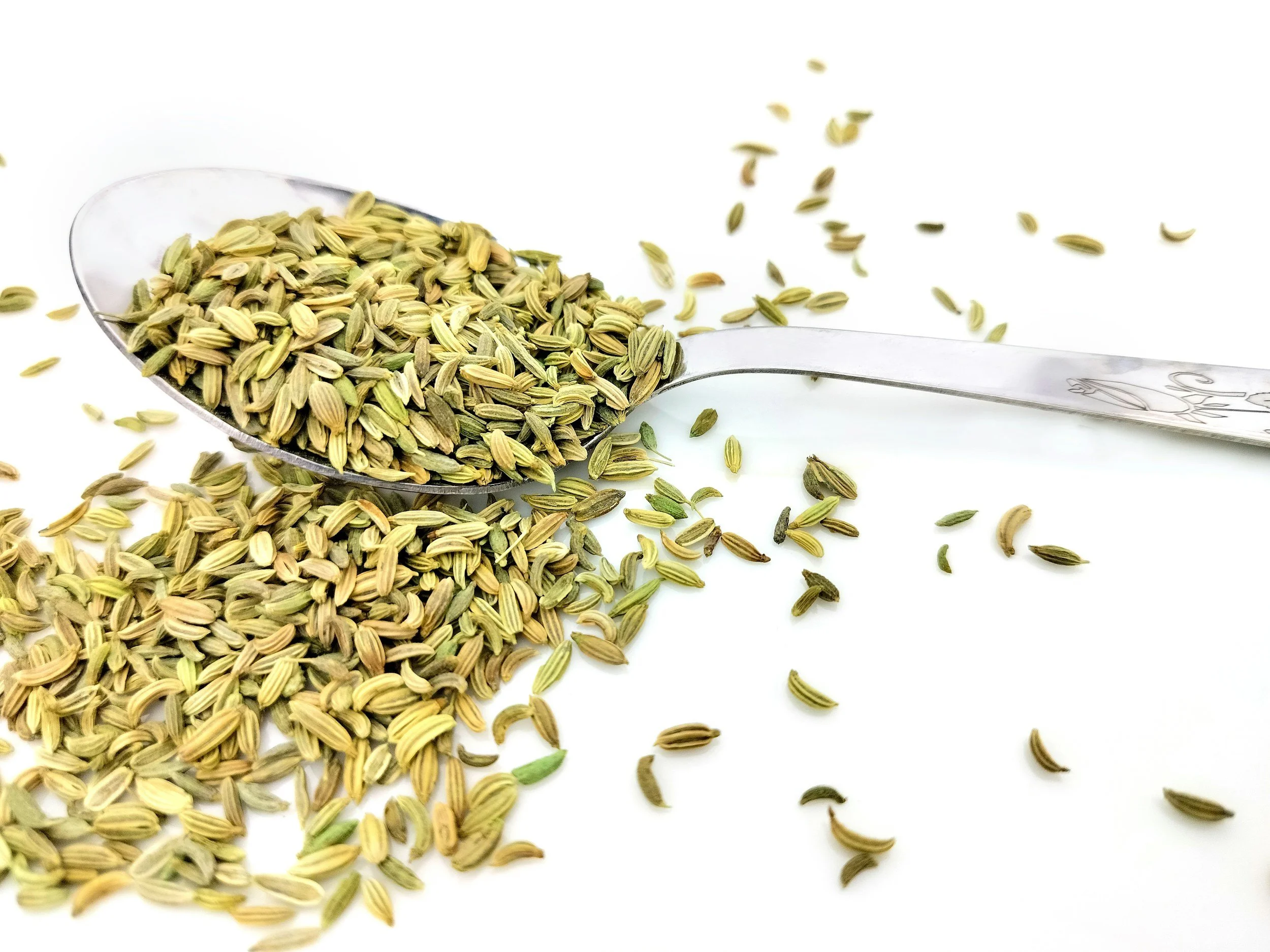
What Ayurveda Says About Fennel
In Ayurveda, fennel is known as Shatapushpa — a name that translates roughly as "a hundred flowers," reflecting its broad and generous nature as a medicinal plant. It is classified as cooling, sweet, and slightly pungent in taste, with a light, penetrating quality in its energetic action.
This combination makes it unusual among digestive spices. Most of Ayurveda's warming digestive herbs — ginger, black pepper, cumin — have a heating quality that is excellent for Vata and Kapha types but can aggravate Pitta, whose fire is already running high. Fennel, uniquely, kindles digestive fire while simultaneously cooling inflammation. It stimulates agni without adding heat. This is why it is considered genuinely tridoshic — beneficial for all constitutional types — and why I reach for it so readily across such a wide range of client presentations.
Its primary Ayurvedic applications are:
Digestive stimulation and gas relief.
Cooling of gut inflammation.
Support for menstrual regularity and hormonal balance.
Respiratory support through expectorant action.
Mild diuretic action supporting kidney and bladder health.
Eye health — fennel is one of Ayurveda's traditional herbs for supporting vision and reducing eye strain.
What the Research Supports
Bloating and gas. This is where fennel's reputation is most established, and deservedly so. Fennel seeds are powerfully carminative — they relax the smooth muscle of the intestinal wall, reducing spasm and allowing trapped gas to move through and be released. For anyone dealing with that uncomfortable distension after meals, or the kind of bloating that builds through the day regardless of what has been eaten, fennel seeds are one of the most effective and immediate natural interventions available. This is not new information — it is why the tradition of offering fennel seeds after a meal in Indian culture exists, and why fennel-based gripe water has been used for infant colic for generations.
Gut inflammation. The volatile oils in fennel, particularly anethole, have demonstrated anti-inflammatory activity in the gut lining. For clients with irritable bowel patterns, food sensitivity reactions, or the kind of gut inflammation that shows up on microbiome testing as reduced microbial diversity and elevated inflammatory markers, fennel's gentle anti-inflammatory action makes it a useful daily addition to the dietary picture.
Women's hormonal health. Fennel contains phytoestrogens — plant compounds that interact gently with oestrogen receptors — and has been studied for its role in menstrual regularity, reduction of menstrual cramping, and symptom support during the perimenopause transition. In Ayurveda, fennel is specifically recommended for Pitta-related hormonal imbalance, where heat and inflammation drive symptoms. Its cooling, anti-spasmodic properties are particularly relevant for cramping, hot flushes, and the kind of irritability associated with high Pitta states. This is an area I explore with clients navigating perimenopause and menopause, and fennel often features in the dietary recommendations that come out of those conversations.
Respiratory health. Fennel has mild expectorant properties, helping to loosen and move mucous congestion in the respiratory tract. In winter and during Kapha season particularly, when congestion tends to increase, fennel tea is a useful daily support alongside the warming spices used in seasonal cooking.
Digestive enzyme support. Fennel has been shown to stimulate the production of digestive enzymes, improving the efficiency with which the gut processes and absorbs nutrients. For clients who describe feeling like food just sits in their stomach, or who notice undigested food in their stools, this enzyme-stimulating effect is clinically relevant.
How to Use Fennel Seeds Daily
The gap between knowing fennel is useful and actually incorporating it consistently is usually just a lack of practical options. Here are the ways I find most sustainable in real life:
After meals — chew a small pinch of raw fennel seeds. This is the traditional Indian post-meal practice, and it works exactly as intended. A small pinch — perhaps half a teaspoon — chewed slowly after eating stimulates digestive enzyme activity, prevents gas formation, freshens the breath, and gently settles the gut. It takes thirty seconds and costs almost nothing. If you implement only one thing from this article, make it this.
Fennel seed tea. Lightly crush a teaspoon of fennel seeds with the back of a spoon, place in a cup, and pour boiling water over them. Allow to steep for 5 to 10 minutes, strain, and drink warm. This tea is particularly useful first thing in the morning to gently activate digestion, or after a heavier meal when the gut needs support. It is one of the gentlest, most universally tolerated digestive teas available — suitable for children, pregnancy, and elderly digestion alike.
Cooked into food. Fennel seeds bloom beautifully when added to warm oil or ghee at the start of cooking — a technique used across South Asian cooking traditions for exactly this reason. Add a teaspoon to the oil before sautéing onions, or bloom them in ghee before adding to lentils, soups, or grain dishes. The seeds release their volatile oils into the cooking fat, carrying their medicinal properties throughout the dish. The pumpkin and lentil soup recipe here is an example of the kind of dish that fennel seeds complement beautifully — simply add a teaspoon to the ghee before the onions go in.
As fennel water. Soak a teaspoon of fennel seeds in a glass of water overnight. Drink the water first thing in the morning, before breakfast. This gentle preparation is particularly suited to Pitta types or anyone dealing with gut inflammation — it delivers fennel's cooling, anti-inflammatory properties in a mild, easily absorbed form that doesn't challenge the digestive system before it has properly woken up.
Who Benefits Most
Fennel is one of the few Ayurvedic spices that is broadly applicable rather than constitutionally specific, but there are presentations where I find it particularly valuable:
People dealing with regular bloating, post-meal gas, or abdominal discomfort.
Women navigating menstrual irregularity, cramping, or perimenopausal symptoms.
Anyone with a Pitta constitution who finds most warming digestive spices too heating.
People with a tendency toward gut inflammation, food sensitivities, or IBS-type patterns.
Those who want to support their digestion daily with something gentle, accessible, and without side effects.
For Kapha types who need stronger digestive stimulation, fennel works well combined with ginger and black pepper — the fennel provides the anti-inflammatory and carminative base while the ginger and pepper add the heating stimulation that Kapha digestion benefits from.
A Final Thought
There is something I find quietly satisfying about fennel. It is a spice that does not demand attention. It does not arrive with dramatic claims or a wellness industry price tag. It sits in a glass jar in the pantry, costs almost nothing, and does its job reliably and gently every time you use it.
In a landscape saturated with expensive supplements, complex protocols, and revolving-door health trends, there is something genuinely refreshing about a remedy that has been working for thousands of years and continues to work today, for the same simple reasons it always has.
You can read about cinnamon's complementary role as a warming digestive and blood sugar-balancing spice in the companion article here.
If you would like to understand which spices and dietary adjustments are most relevant to your specific constitution and health concerns, this is exactly the kind of practical, personalised guidance that an initial Ayurvedic consultation can offer. You can read more about what that involves on my appointments page.
A daily pinch of fennel seeds after dinner is one of those changes. Start there.
With gratitude
Priya